
Executive View | Mobile Wallet Ecosystems, Cross-Border Growth, and Platform Strategy

WALLET STRATEGY | RETENTION | CROSS-BORDER | MULTI-LENDER ECOSYSTEMS
Building a Sustainable Mobile Wallet Ecosystem
The question is no longer whether a wallet can launch. The harder question is whether it can keep customers interested, extend into cross-border value flows, attract multiple lenders, and still remain commercially sustainable.
For CEOs, CIOs, digital banking teams, fintech founders, MFIs, banks, and payment-platform leaders | Research-informed editorial | May 2026
The strategic point is simple:
A wallet becomes sustainable when it stops being a transfer feature and starts becoming a weekly habit engine for customers, merchants, lenders, and partners.
That means the strongest wallet model is not built around registration numbers alone. It is built around repeat use, trust, convenience, shared value for partners, and service expansion that feels natural rather than forced.
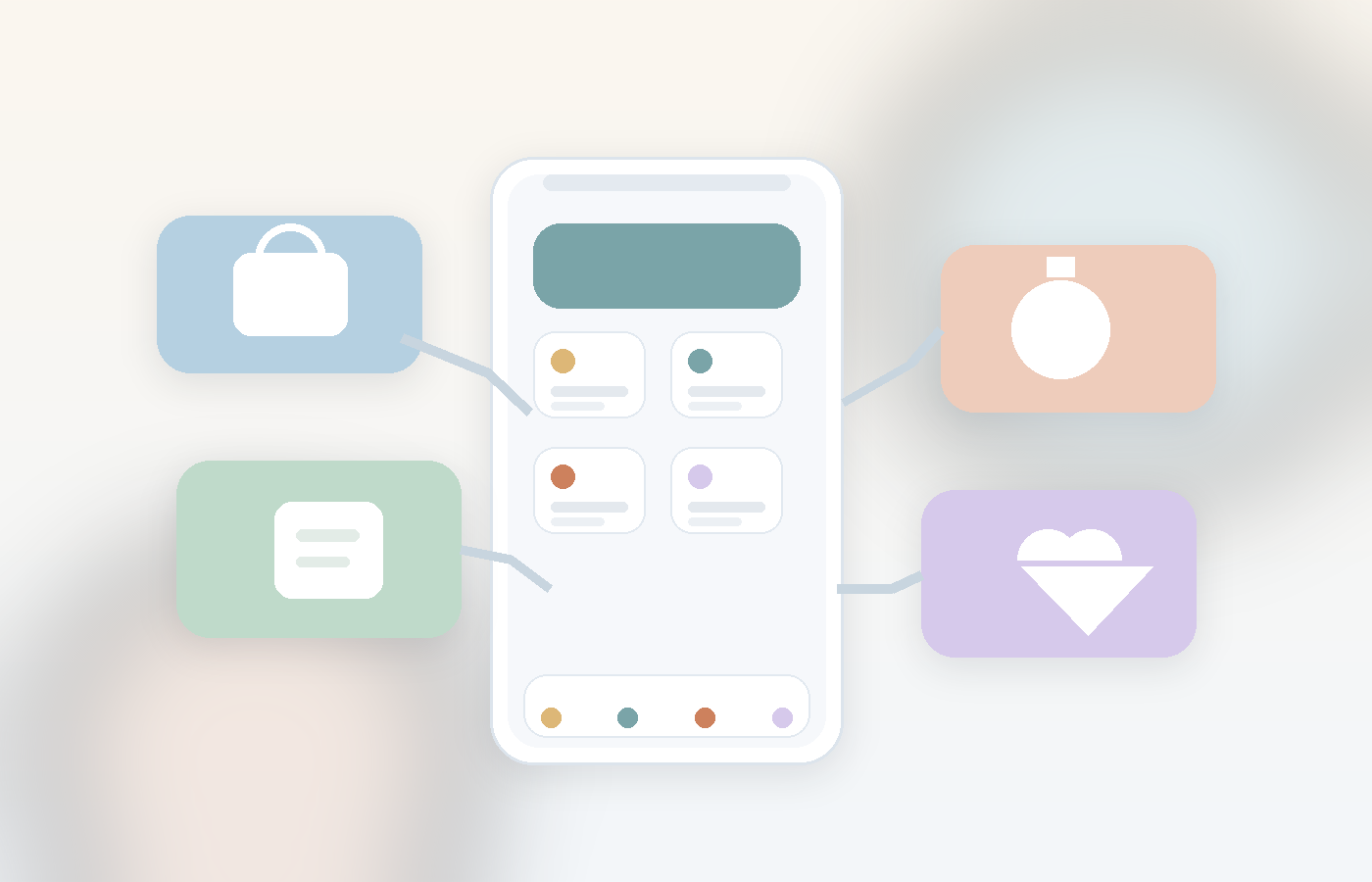
A good wallet helps users move money. A strong wallet ecosystem helps users pay, save, borrow, receive value, access offers, and connect to other institutions without making the experience feel fragmented.
Habit Engine
The wallet must solve recurring weekly problems, not just enable one-off transfers or marketing-driven sign-ups.
Easy Expansion
Cross-border and partner expansion need the right foundations, from trusted partnerships to clear rules and strong customer care.
Shared Value
Discounts, lenders, merchants, and billers only stay engaged when the wallet creates clear value for everyone involved.
1. A sustainable wallet must become part of weekly financial life.
Registration is not retention. Habit is retention. If customers open the wallet only when they receive money from someone else, the wallet remains narrow. If they use it to pay merchants, settle bills, move between bank and wallet, cash in and cash out, save, borrow, and receive meaningful offers, the wallet becomes part of everyday financial behavior.
This is why the service design matters more than the app launch. The wallet has to connect recurring life moments: transport, airtime, school fees, utility payments, merchant checkout, salary receipt, small savings, loan repayment, and partner-funded benefits. The more reasons a customer has to return each week, the stronger the ecosystem becomes.
2. What keeps customers interested after the first download?
The answer is not one feature. It is a combination of practical reasons to trust the wallet and keep using it. Customers stay when the wallet is easy to understand, accepted where they spend, priced clearly, and dependable when money is actually moving.
What keeps usage sticky
- Merchant and biller acceptance: the wallet must work where people actually spend and pay.
- Reliable service: confirmation, support, and day-to-day consistency must feel dependable.
- Easy movement of money: users should move comfortably between accounts, wallets, and cash points.
- Transparent pricing: if fees feel hidden or inconsistent, trust drops fast.
- Growth paths inside the wallet: savings, credit, loyalty, insurance, and reminders deepen the relationship.
- Inclusive access: smartphone convenience matters, but feature-phone and assisted channels often still matter too.

A wallet that cannot move smoothly between merchant, bill, bank, and cash-service moments will struggle to become a true habit product.
3. Can wallets attract discounted services? Yes, but the funding logic matters.
Discounted services can be a powerful retention tool because they turn the wallet into a value channel, not just a payment channel. But discounts only strengthen the ecosystem when they are tied to behaviors that improve wallet usage, long-term customer value, or partner results.
Merchant-Funded Offers
Cashback, checkout discounts, or loyalty points can help merchants win traffic while the wallet wins repeat usage.
Biller Incentives
Fee waivers, autopay benefits, or recurring-payment rewards can keep utility, school, subscription, and transport payments inside the wallet.
Lender-Funded Benefits
Better pricing, small rewards, or easier repayment journeys can reward customers who repay through the wallet or use it consistently.
How to make discounts sustainable
- Target the behavior you want. Reward repeat merchant use, savings streaks, salary routing, or on-time repayment rather than giving blanket subsidies.
- Assign a funding source clearly. Merchant, biller, lender, or wallet-funded incentives should be visible and easy to explain.
- Keep the process simple behind the scenes. Rewards and reimbursements should be easy for partners to understand and easy for customers to trust.
- Cap and review campaigns. If the discount does not improve repeat usage, partner value, or retention, it is probably not worth keeping.
4. What does it take to grow a wallet across borders?
Cross-border growth is not just a domestic wallet with another country added to the menu. It asks for stronger partnerships, clearer rules, careful handling of different currencies, and a customer experience people can trust when money is moving from one market to another.
That is why many wallets do well locally but slow down when they expand beyond one market. The customer may see a simple transfer journey, but behind that simplicity there has to be real coordination between institutions, countries, and support teams.

- Trusted local partners: the wallet needs the right institutions and approvals in the markets it wants to serve.
- Clear identity and compliance checks: customers need to be verified properly and the money movement needs to meet the rules of each market.
- Sensible currency handling: customers should understand what exchange rates, charges, and timing mean before they confirm a transfer.
- Connected institutions behind the scenes: banks, wallet partners, and payment providers need to work together smoothly.
- Clear responsibility for failed or delayed transfers: when something goes wrong, the customer should not be left guessing who is in charge.
- Strong customer support: users need clear pricing, visible progress, and a real path to help if a transfer delays or fails.
Why this matters
Cross-border wallet growth is achievable, but it should be treated as a trust and service challenge, not just a growth slogan. The further the wallet travels, the more important clarity, reliability, and accountability become.
5. Can one wallet bring together lenders from different institutions?
Yes. A wallet can become a place where banks, MFIs, SACCOs, and fintech lenders reach customers through one familiar channel. But that only works if the experience feels fair, simple, and well managed.
The attraction for lenders is straightforward: better reach and a lower-cost way to serve customers. The attraction for customers is also straightforward: more choice, more relevant offers, and access through a channel they already know and trust.

What needs to be in place before different lenders join
- Customer permission: people should know what information is being shared and why.
- Clear and fair offer presentation: the wallet should not confuse customers with cluttered or misleading loan choices.
- Responsible affordability checks: more choice should not become a faster route to over-borrowing.
- Simple repayment and support journeys: customers should understand how to repay, who to contact, and what happens if they fall behind.
- Clear rules for participating lenders: the wallet owner should decide who can lend, how they behave, and what standards they must meet.
A multi-lender wallet should make borrowing feel more relevant and more responsible, not more confusing.
6. The strongest wallets feel simple on the surface and strong underneath.
That is the real design principle behind sustainability. The wallet should feel easy, familiar, and rewarding to the customer while still being strong enough to support merchants, partners, lenders, and future growth behind the scenes. When that balance is right, the wallet stops feeling like a feature and starts feeling like part of everyday life.
Who the wallet can bring together
- Customers and households
- Merchants and billers
- Agents and branches
- Banks and MFIs
- Lenders and insurers
- Cross-border and remittance partners
What the wallet can make easier
- Payments and collections
- Savings and borrowing
- Rewards and useful offers
- Better customer support
- Simple partner services
- Trusted growth over time
Executive takeaway
A sustainable wallet ecosystem keeps customers interested when it becomes useful every week, trusted every day, and more valuable as more people and partners join it. The winning model is not just a wallet balance and a transfer button. It is a wallet that fits daily life, rewards the right behavior, and grows without becoming confusing.
That is how a wallet becomes more than a feature. It becomes a familiar part of how customers pay, save, borrow, and come back.